


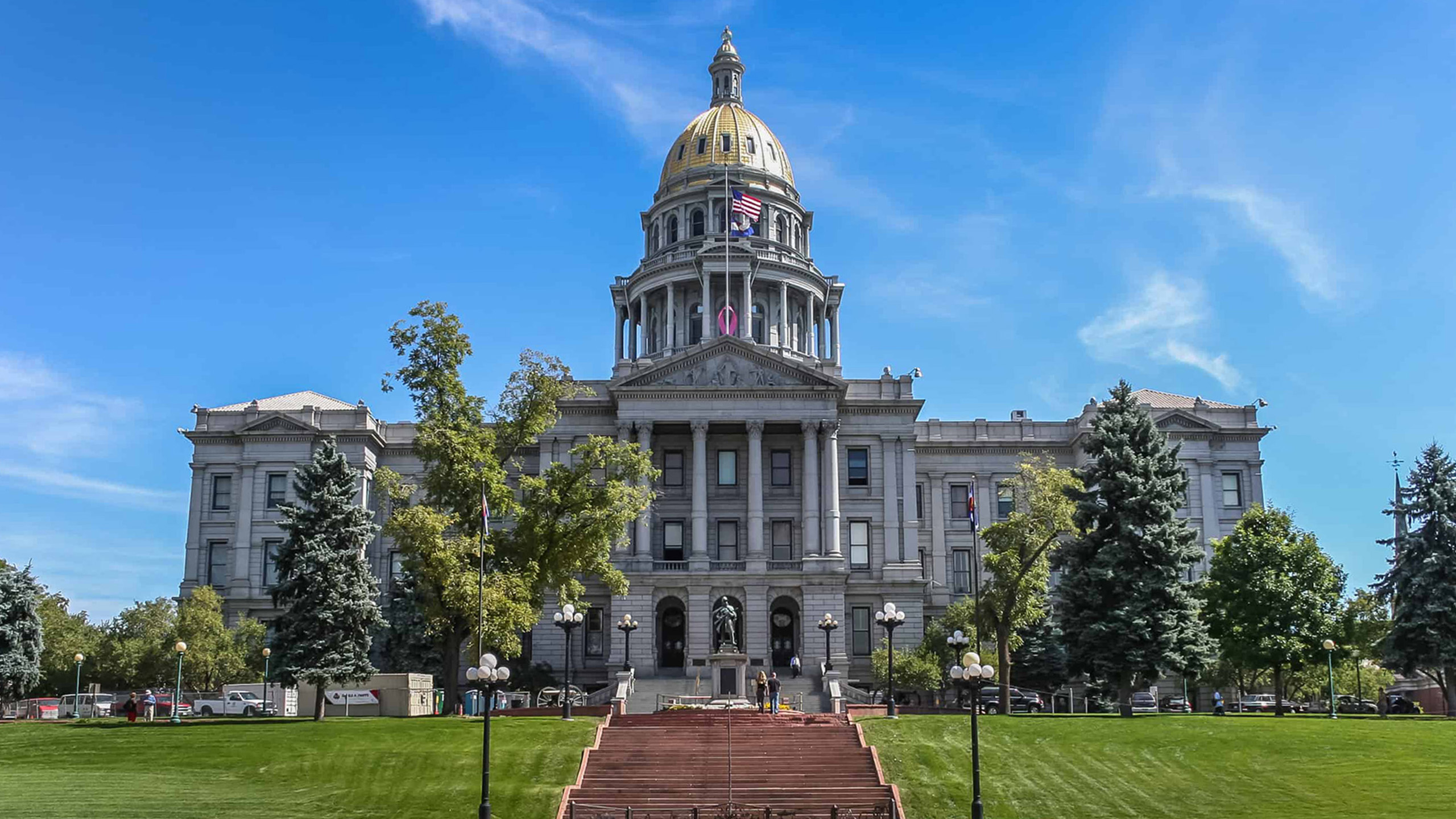
Colorado State Capitol
Updating the Colorado State Capitol’s critical infrastructure
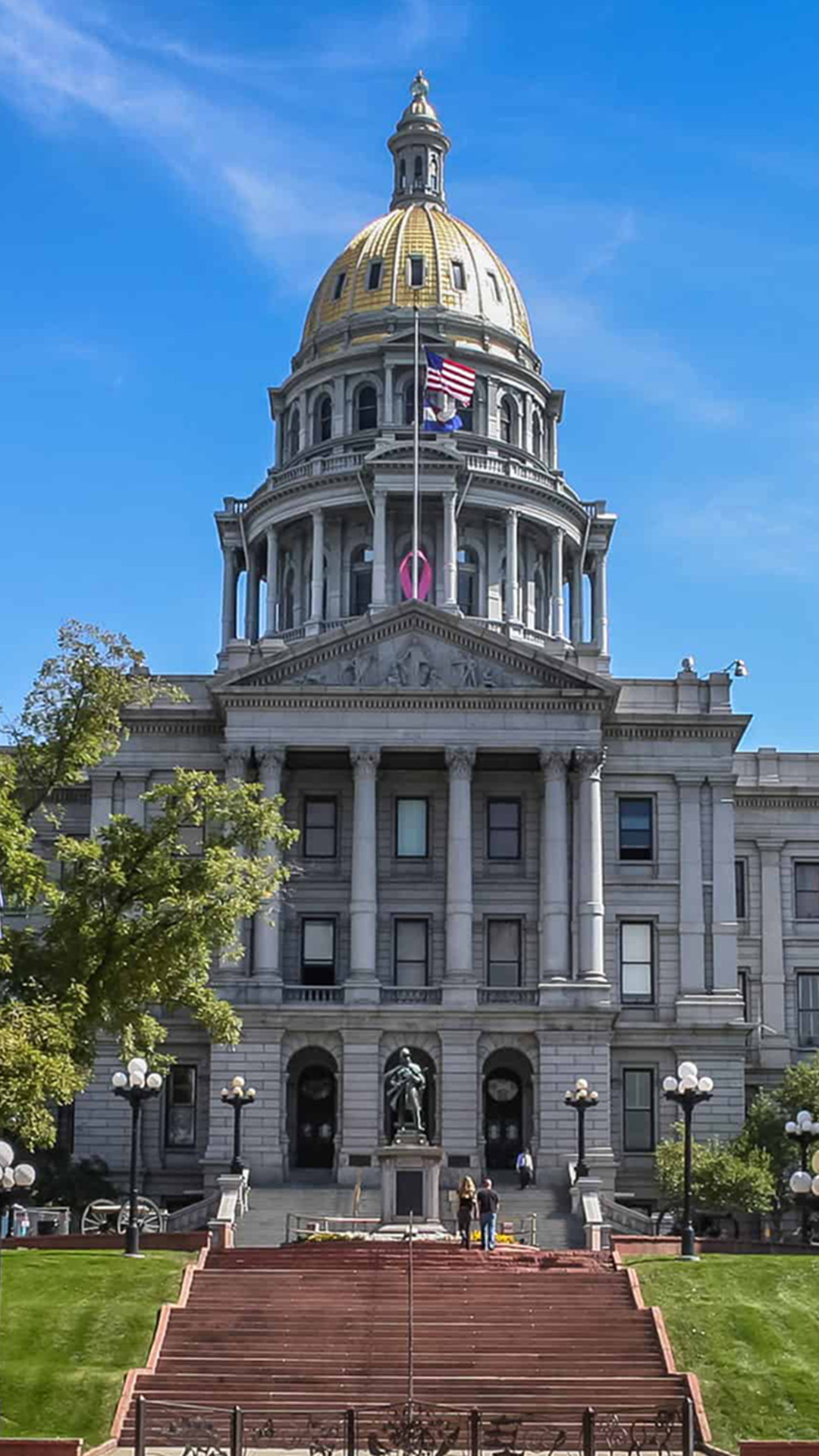
The gold-gilded dome is often the first thing that pulls visitors’ eyes when they see the Colorado State Capitol. Construction on the historic building began in 1886, 10 years after Colorado achieved statehood, and was completed in 1901. The iconic dome was made possible by the donation of miners, who provided 200 ounces of gold for the project.
While visitors may focus on the interior and exterior features that make this building distinct, our work took place well below the public spaces.
As the seat of state government, Colorado’s State Capitol serves as the place for public, statewide business. Like many statehouses, it has deferred maintenance to address infrastructure needs. The State of Colorado chose to tackle the work in smaller projects.
Our team, along with partners BCER and Martin/Martin, was selected to support several areas of need, including improvements to the building’s sub-basement, where much of the mechanical infrastructure was located. We also supported improvements to the building’s centrifugal chiller and repairs to a damaged utility tunnel.
Rethinking sub-basement space usage
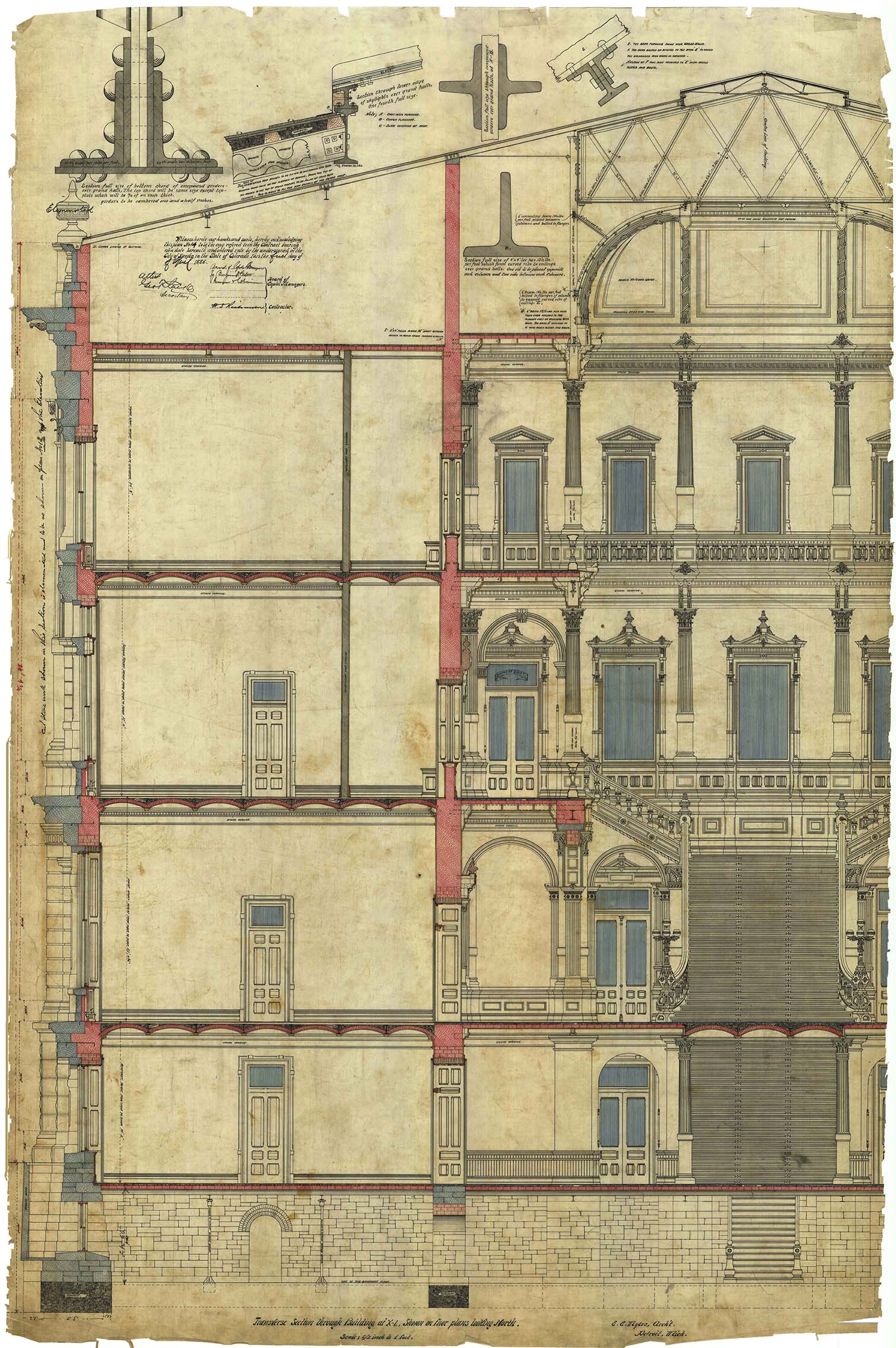
To gain context about the space, we reviewed the historic design of the Capitol’s sub-basement. Our team examined the original concepts and how the early plans were built out.
The building’s sub-basement is a labyrinth, so these plans also worked nicely as a map for onsite visits. We walked the corridors and snapped photos of damage and other issues.
Those early assessments gave us the insight to start designing new plans. The Capitol’s facilities management team, architects and engineers developed ideas for unused space in the sub-basement and how to consolidate system components outside of the public corridors and larger spaces.
Designing for easier, safer maintenance
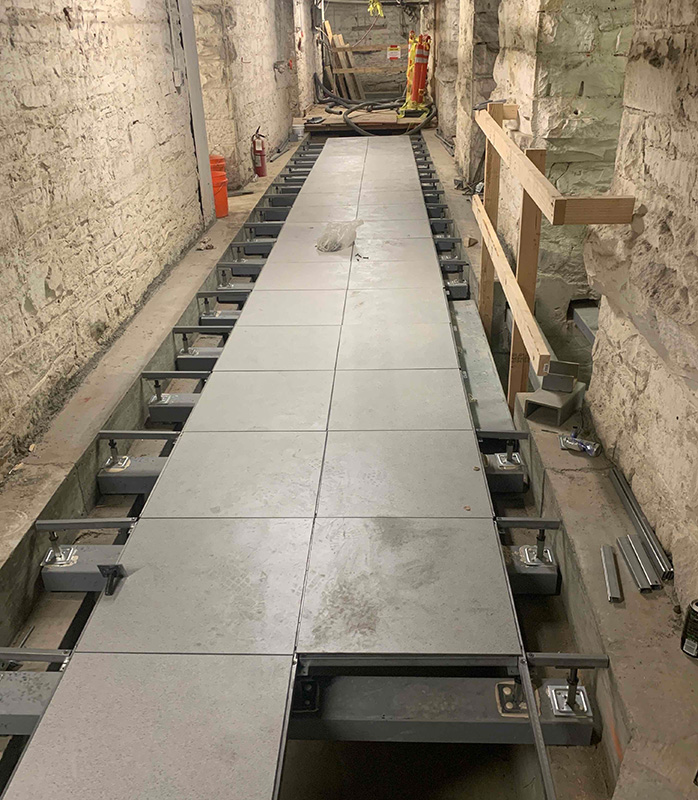
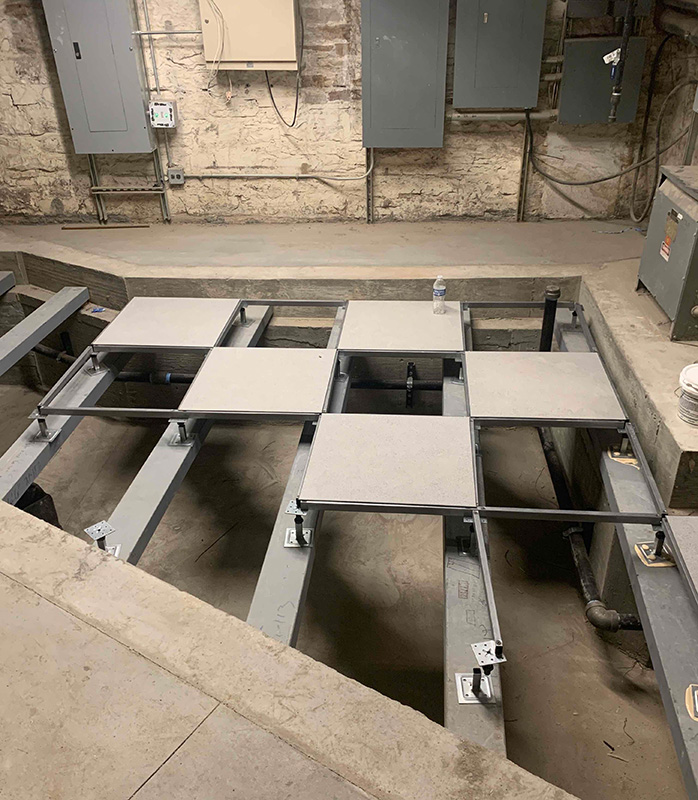
Much of the buildings’ pipes and other infrastructure were in the corridors’ overhead space. We designed a trench to bury the plumbing and other mechanical piping. Moving these structures underground created an improved access point for maintenance staff. Now, they can remove a floor tile to work on a pipe instead of reaching overhead and navigating several other mechanical components. Burying these lines also created a more pleasing aesthetic.
When construction began, our team determined that the building’s foundation was too shallow to meet the original depth requirements. So, we widened the trench to accommodate the mechanical infrastructure. We managed this part of the project cautiously to protect the historic building’s stone walls that extended underground to create the foundation.
Concepts to expand the cafe
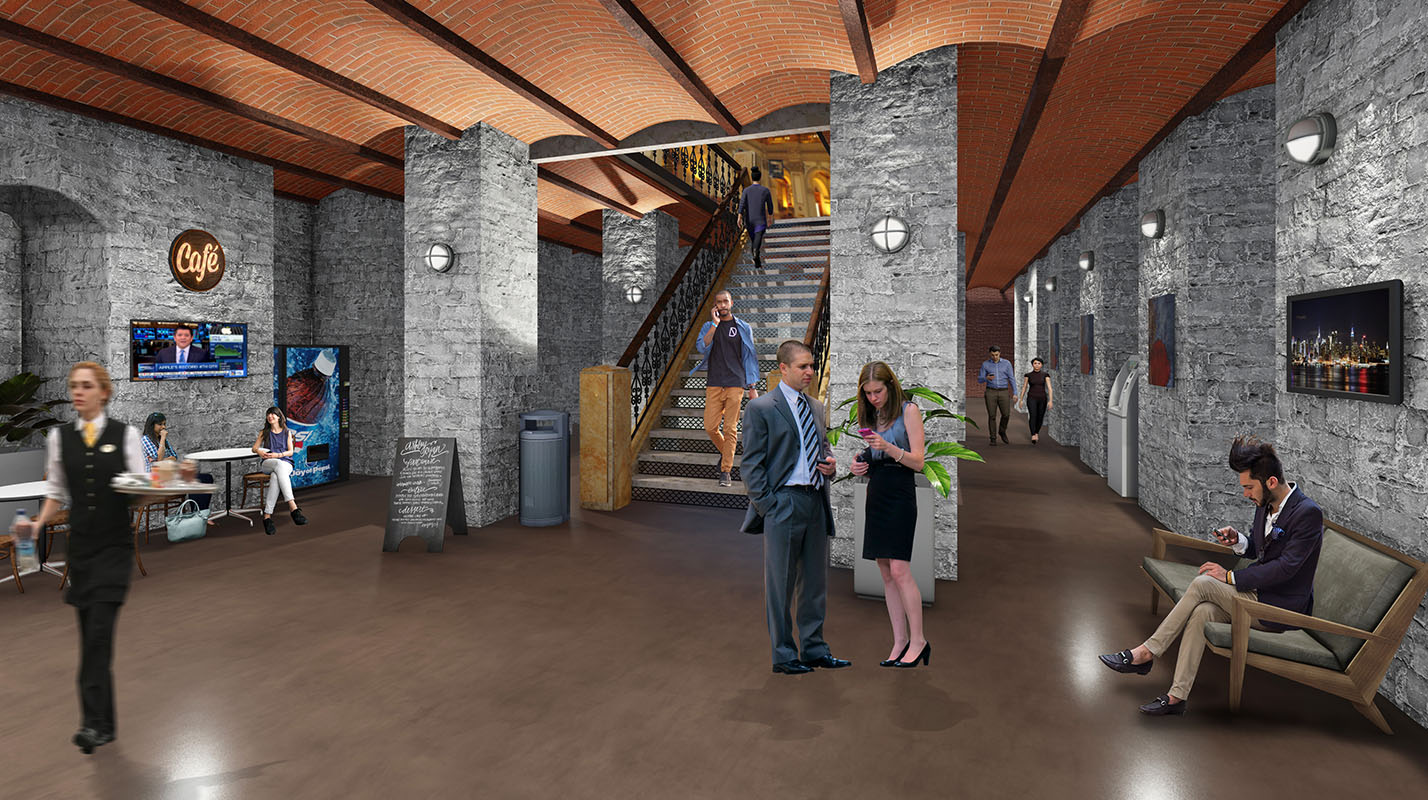
In addition to maintenance needs, our team provided design concepts to restore an original design feature to connect the cafe to unused sub-basement space. The original design of the building included a stair connecting basement to sub-basement. If constructed, it would allow expansion of an amenity such as the cafe.
Improving the chiller after generations of varied solutions
Over the years, many firms have played a role in designing and building the Capitol’s chiller infrastructure. Working with our partners, the Treanor team helped the Capitol Architect create a more cohesive and efficient system. To do this, we surveyed the chilled water loop, which supported seven buildings, and determined several options for an improved system. The failed absorption chiller was replaced with a centrifugal chiller and cooling tower. We served as the preservation architect for this portion of the work.
Repairing damaged tunnels throughout the Capitol
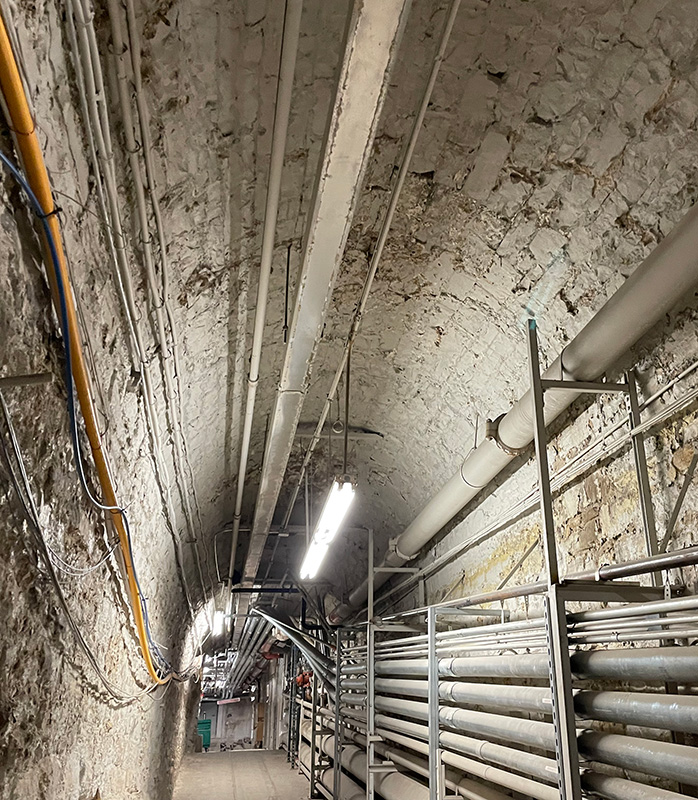
The Colorado State Capitol has a network of tunnels running throughout the building. Early in its history, the building was heated by coal that was transported in and out of the Capitol through those tunnels. Now, the tunnels carry steam and other utility piping.
The South Tunnel was damaged during a street-level construction project and suffered masonry cracks, water infiltration, and paint failure. Our team operated as the condition assessment and preservation architect to determine the extent of repairs. We also provided a plan to treat the issues, which included a new vault lid, better waterproofing, and restoring the vault’s interior finish.
Updated infrastructure keeps the wheels of government moving
The Colorado State Capitol building is large and complex. It’s deeply rooted in the state’s history and will continue to play a crucial role in governance. While the public eye sees few of the projects we supported, they’re necessary to ensure the people’s business continues without interruption.
Project contact

Related projects